Sheetala Ashtami / Basoda 2026: No Fire Is Lit, Cold Food Is Eaten — Vidhi, Samagri & Regional Bhog
Basoda — also called Sheetala Ashtami — is one of the few Indian festivals whose most important rule is that no cooking fire is lit. The kitchen stays cold, and the day is spent eating the cold (basi) food cooked the day before.
It is the worship of Sheetala Mata, the goddess associated with children's health and the family's protection. This guide brings together the date, the vidhi, the full samagri, and the most interesting part — how differently Rajasthan, Gujarat and Malwa each keep the day.
Basoda / Sheetala Ashtami 2026: the date and the name
Basoda falls on the ashtami of the waning moon in Chaitra — exactly eight days after Holi. In many regions Sheetala Saptami is observed the day before, so worship happens in homes on both days.
The name "Basoda" is popularly linked to the basi (cold) food eaten that day. Whatever its origin, the heart of the tradition is the same: the kitchen rests, and coolness is given priority.
- Basoda = Chaitra Krishna Ashtami (the eighth day after Holi)
- Sheetala Saptami = the day before, observed in many regions
- The central rule: no cooking fire, cold (basi) food only
Open the complete checklist
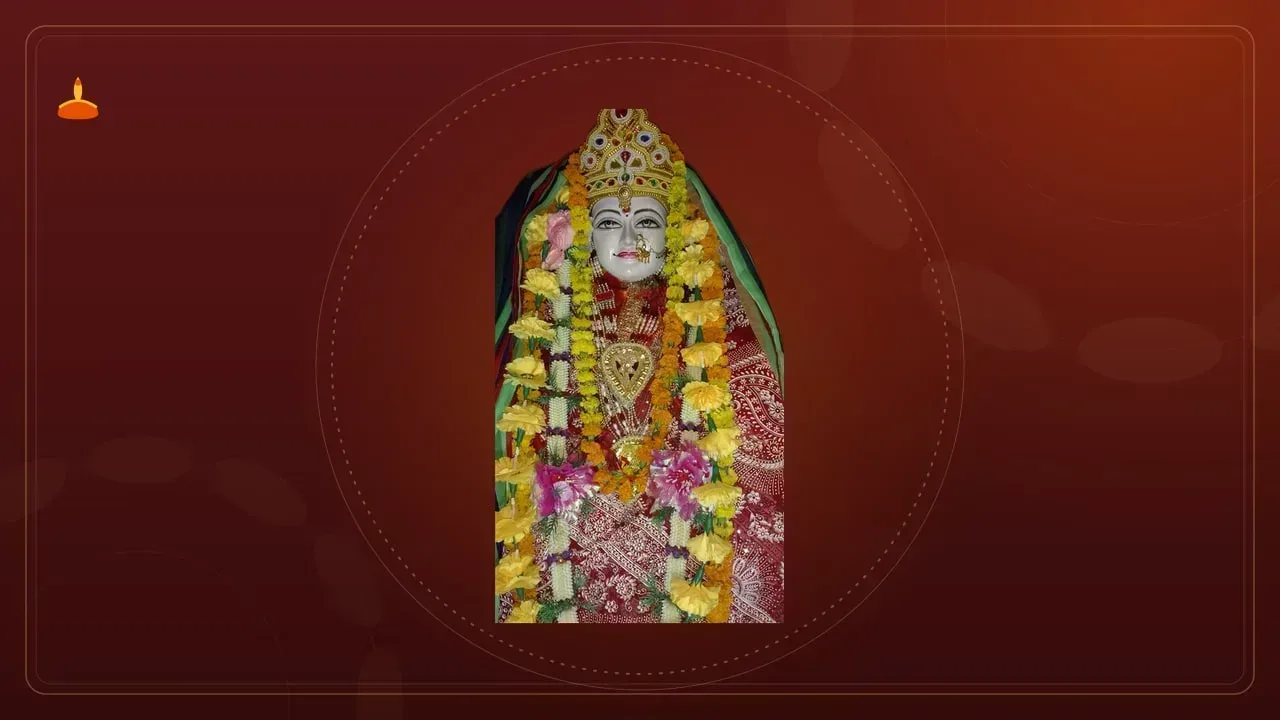
Who is Sheetala Mata and what she looks like
Sheetala Mata is regarded as the goddess of epidemic diseases — especially smallpox, measles and chickenpox — and she is worshipped mainly for the protection of children. The word "sheetala" itself means cool, which is why cool offerings and cold water are made to her.
Her vehicle is the donkey (gardabh), and she holds a winnowing fan, a broom, a pot of cool water and neem leaves. Neem and cool water — both connect directly to health and to cooling.
The vidhi: the rule of not lighting the fire
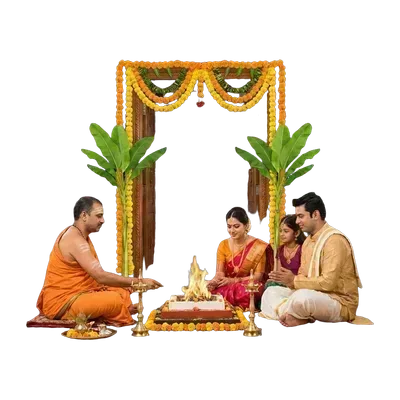
The food is cooked the day before. On the ashtami, after bathing, water, raw milk, curd, jaggery, chana, neem leaves, turmeric, kumkum and cool water are offered before the image or picture of Sheetala Mata.
No fire is lit in the kitchen that day — some families do not light even a lamp, and the whole puja is done with cold offerings. Household customs differ, so confirm with your family's tradition or your purohit.
Prasad is distributed afterwards, and the bhog is the same cold food cooked the previous day.
- The day before: cook the food for the puja and the bhog
- On the ashtami: bathe, take a sankalp, invoke Sheetala Mata
- Offerings: cool water, raw milk, curd, jaggery, chana, neem leaves, turmeric, kumkum
- The kitchen fire stays unlit — the puja uses cold offerings
- Prasad is shared, and the family eats the basi meal together
Rajasthan: churma, khaja, besan chakki and raab
In Rajasthan, Basoda is celebrated with real enthusiasm, and the bhog here is dry and long-keeping — food that can be made a day ahead. In Marwar and Shekhawati, churma, khaja and besan chakki are the staples.
Alongside go cold bajra roti, jaggery, raab (buttermilk), curd and chana. In the heat this food cools the body, which is why the tradition is tied so directly to the season.
- Churma — of bajra or wheat flour, with ghee and jaggery
- Khaja — a traditional sweet puri, eaten cold
- Besan chakki — made from gram flour and jaggery, keeps for days
- Raab, curd, buttermilk — for cooling
- Cold bajra roti, jaggery, chana
Gujarat: magas, cold puri and curd
In Gujarat, Basoda is observed on a large scale — from Ahmedabad, Surat and Vadodara to the villages of Saurashtra. The most recognised bhog here is magas (magad), a sweet of gram flour, ghee and sugar, served cold.
With it come cold puri, curd, jaggery, chana and cool sherbet. In many Gujarati homes the water is also drawn the day before, so that no fire at all has to be lit on the day.
- Magas/magad — the cold gram-flour sweet, Gujarat's signature Basoda bhog
- Cold puri, curd, buttermilk
- Jaggery, chana, sesame laddoos
- Special observances in Ahmedabad, Surat, Vadodara and Saurashtra
Malwa and Madhya Pradesh: churma, khaja and rabdi
In the Malwa region — Indore, Ujjain, Dewas, Dhar — the Sheetala Ashtami bhog is churma, khaja and rabdi. Many homes also make cold malpua and puri, prepared the day before.
In parts of Madhya Pradesh the goddess's image is decorated with a branch of neem leaves, and children are seated in the neem shade to receive blessings — a tradition tied to wishing children good health.
- Malwa (Indore, Ujjain, Dewas): churma, khaja, rabdi, cold malpua
- The image decorated with neem branches, blessings for children
- Basoda also observed in the districts bordering Madhya Pradesh and Maharashtra
Haryana, Delhi-NCR, Uttar Pradesh and Punjab
The best-known Sheetala Mata temple in Haryana is in Gurugram, where a large fair is held on Chaitra Krishna Saptami-Ashtami and devotees come from far away. For Delhi-NCR it is the nearest major Sheetala site.
In Uttar Pradesh, Punjab and Haryana the bhog on this day is usually cold roti, rabdi, khaja, jaggery-chana and curd. Many homes eat the puri and sabzi prepared earlier as "sheetala bhojan", served cold.
- Gurugram (Haryana): Sheetla Mata Mandir — the biggest fair, the closest major site for Delhi-NCR
- Other Haryana districts: worship in village after village
- Punjab and Uttar Pradesh: cold roti, rabdi, khaja, curd and jaggery
- Bihar-Jharkhand: Sheetala Ashtami puja, in some areas observed in Shravan as well
Health, science and tradition
This is a tradition from a time when the fear of epidemic disease hung over every household, and it became a form of prayer for children's safety. Its practical side is clear too — one day of rest for the kitchen in the Chaitra heat, cold food, neem and clean water.
Today the proven protection against diseases like measles is immunization. The puja is a prayer for children's wellbeing and a tradition carried across generations — the two go together, they do not oppose each other.
If someone at home has a fever or symptoms of an infectious illness, consult a doctor first.
Sheetala Ashtami samagri
The full samagri — the image of Sheetala Mata, neem leaves and branches, raw milk, curd, jaggery, chana, turmeric, kumkum, a pot of cool water and sesame — is listed with quantities and estimated prices in our Sheetala Ashtami samagri list.
For the other Chaitra festivals, see the Akshaya Tritiya samagri list and the Griha Pravesh samagri list. Estimate costs with the budget calculator.
Frequently Asked Questions
When is Basoda / Sheetala Ashtami 2026?
Basoda falls on the ashtami of the waning moon in Chaitra — exactly eight days after Holi. Sheetala Saptami is observed the day before. Because it follows the tithi, the Gregorian date shifts each year.
Why is no fire lit on Basoda?
Not lighting the kitchen fire is the central rule of Basoda. The food is cooked a day earlier and eaten cold (basi) on the ashtami — a tradition of coolness and rest.
What is offered to Sheetala Mata?
Cool water, raw milk, curd, jaggery, chana, neem leaves, turmeric, kumkum and sesame. The offerings are cool because Sheetala Mata is regarded as the goddess of coolness.
Why does the Basoda bhog differ from state to state?
Because the bhog follows each region's kitchen and climate — churma, khaja and besan chakki in Rajasthan, magas and cold puri in Gujarat, and churma, khaja and rabdi in Malwa.
Is a lamp lit on Sheetala Ashtami?
Customs differ from family to family. Many households do the entire puja with cold offerings and light no fire at all. Confirm with your family's tradition or your purohit.
Where is the most famous Sheetala Mata temple?
The Sheetla Mata Mandir in Gurugram, Haryana, is the best known, holding a large fair on Chaitra Krishna Saptami-Ashtami and drawing devotees from across Delhi-NCR.
Does Sheetala puja cure disease?
No. It is a prayer for children's wellbeing and a tradition passed down generations. Immunization is the proven protection against diseases like measles, and any illness should be treated by a doctor.