Puja Samagri Shopping: 10 Easy Tips to Save Your Budget
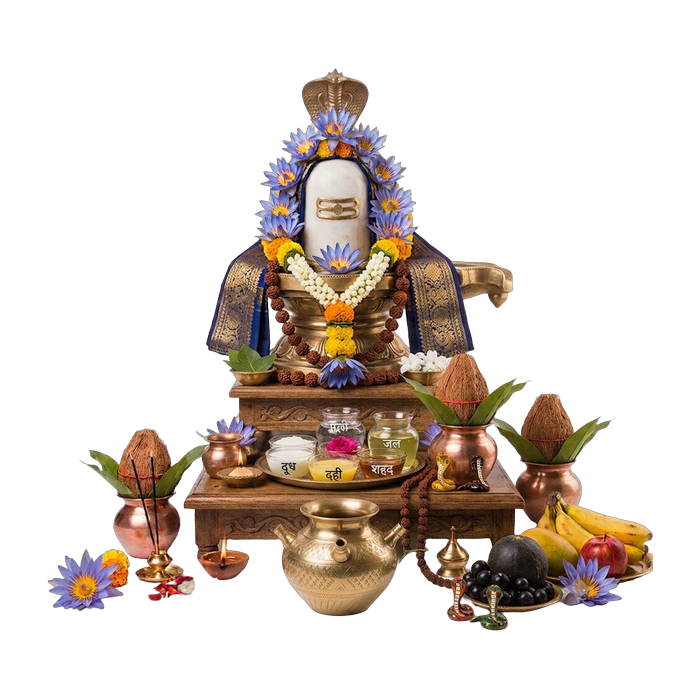
Every festival means gathering puja samagri — and every time the budget overshoots. The "let's take this too" habit at the shop and shopping without a list are the biggest reasons.
The good news: a little planning can save you a significant amount across the whole year's pujas and festivals. Try these 10 tips.
1. Make the list first, then go to the market
The biggest mistake — shopping without a list. Our website has the samagri list of every puja ready with quantities — for example the Shiva puja / Rudrabhishek samagri list. Shop from the list — nothing essential gets missed and nothing unnecessary comes home.
Open the complete checklist
2. Set a budget before you buy
Open the budget calculator, pick your puja and see the estimated total. Knowing the budget in advance stops impulse spending. If the total looks too high, you can decide which less-essential items to buy later.
3. One wholesale-market trip
Every city has a wholesale puja samagri market — Chandni Chowk in Delhi, Lohar Chawl in Mumbai, Burrabazar in Kolkata. Camphor, agarbatti, cotton wicks, mauli and dhoop cost half as much there. Buy the year-long dry stock in one wholesale trip.
4. Buy fresh items day by day
Never buy flowers, leaves and tulsi too early — they go stale. Go to the flower market early in the morning and you get double the flowers for the same money. Just before closing time in the evening, florists offer good deals too.
5. Shop with the season
Coconuts, dry fruits, jaggery and food items are cheapest in season. As far as possible, finish your shopping 2–4 days before the festival — on the day itself, prices rise along with the crowds.
6. You do not need new diyas and thalis every year
Brass thalis, diyas, kalash, bells — this stuff lasts for years. There is no need to buy new every festival. Clean the old diyas well and reuse them — only the wicks and ghee need to be new.
7. Sweets — homemade or from a trusted halwai
Market sweets are both expensive and often unreliable. Make the bhog at home where possible — besan laddus, kheer and halwa cost far less. If you must buy, order in advance from a halwai you trust.
8. Shop together with neighbours
In an apartment or neighbourhood, everyone does the same puja — so why not use the wholesale price? 4–5 families ordering flowers, fruits and dry items together saves 20–30% compared to buying alone.
9. Compare prices
The same item can differ a lot between two shops. For bigger items (puja thali sets, vastra, idols), check online prices and then bargain at the shop. Use the shops nearby tool to find stores around you.
10. Keep noting what you spend
Note every expense while shopping — mental math never matches reality. After the festival, review the actual spend and make next time's budget even more accurate.
Frequently Asked Questions
Where is puja samagri cheapest?
At your city's wholesale puja samagri market — dry items like camphor, agarbatti and dhoop cost about half the retail price there.
How many days before the festival should I shop?
Dry items 2–4 days in advance; fresh items like flowers and leaves on the puja day or a day before.
How do I know how much a puja will cost?
Pick the puja in our budget calculator — it instantly shows the total estimated cost along with each item's estimated price.
Related Articles

Chhath Puja 2026: The Four-Day Vidhi, Thekua-Kasar Samagri & The Ghats of Patna, Ranchi and Delhi
All four days from Nahay Khay to Usha Arghya, the full thekua-kasar-daura samagri, the rules of the nirjala fast, and where Chhath is celebrated in Patna, Ranchi, Delhi and Mumbai.

Jagannath Rath Yatra 2026: The Puri, Ahmedabad and Kolkata Traditions, Vidhi & Samagri
The Ashadh Shukla Dwitiya date rule, the full Pahandi to Bahuda Yatra sequence, the names of the three chariots, samagri for the home puja, and how Puri, Ahmedabad and Kolkata each keep the tradition.